

Business Investment in Vocational and Technical Training. Imagine the case of a high school student in Ohio learning how to operate a CNC machine not in the textbooks, but by being under the tutelage of a master technician in a nearby factory. Imagine a young adult who can complete a certified IT program at a local community college with the financial support of a large technology corporation and cannot graduate in debt but gets a starting salary of $65,000 a year. Consider the case of a single mother in California who decides to leave retail jobs and move to a more rewarding career of a solar panel technician after the completion of a paid apprenticeship training program.
These are not success stories. They are reflections of a minor revolution that is changing the American workplace. Businesses and academic institutions around the country are realizing strong partnerships that bridge the gap between academic learning and applied skills. These partnerships are creating an access point to major employment opportunities as well as addressing one of the most pressing challenges facing our economy the skills gap in both large and small towns.
Why Businesses Are Investing in Hands-On Learning
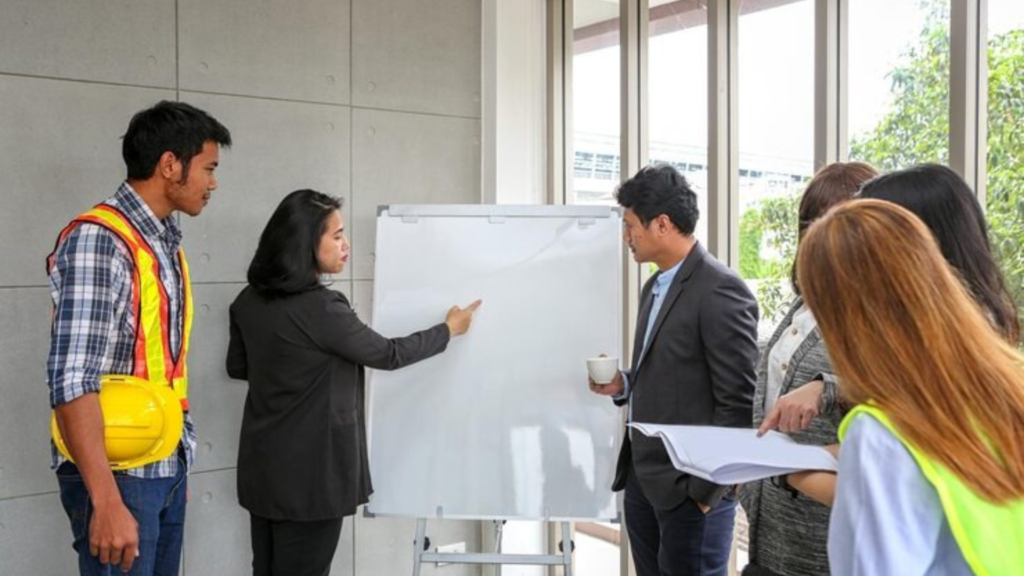
Business Investment in Vocational and Technical Training. The rationale behind Corporate-investment in Experiential Learning. The reason why this educational change is made is not purely altruistic; it is strategic. Companies in America are beginning to understand that the strategy of waiting and hoping that the perfect employee will come is no longer a viable option. According to the National Association of manufacturers, over 75 percent of manufacturers are facing challenges in finding the right people despite offering competitive remunerations and other job perks. This skills deficit does not only imply unfilled jobs, but also reduced output.
Stifled innovation and stunted growth. A company can have the technology and funds to grow; however, without skilled technicians to operate advanced gear or computer experts to maintain electronic networks, there can be no growth. What is notable is the fact that organizations are no longer just crying over the problem but they are taking action to come up with solutions. Employers rather than waiting on the educational system to make changes are actively involved in training program development. They are providing equipment, knowledge and in some cases, guaranteeing jobs.
More Than Just Technical Skills: The Human Impact

Business Investment in Vocational and Technical Training. At the end of the programs. Real Cooperation, Material Results. This is the key characteristic of the most effective vocational partnerships they are based on the genuine collaboration as opposed to the short-lived solutions. Consider what is happening in the manufacturing sector with companies like Siemens and General Electric having instituted apprenticeship programs combining paid work with higher education. These are not make-work jobs, but are actually designed as the channels leading to middle-class jobs to allow participants to earn as they learn.
Corporations like Microsoft and Google have created certification programs which provide easy pathways to IT employment in the IT sector. Developed in partnership with neighborhood institutions, these credentials often become more important to businesses than traditional degrees because they are designed to address the needs of modern business. Healthcare is one sector that offers some of the best examples of effective partnerships. Hospitals with acute nursing shortages are liaising with local universities to come up with accelerated training sessions.
Overcoming Challenges Together

Business Investment in Vocational and Technical Training. Which combine classroom learning with practice. Such programs often have tuition aid conditions, requiring that the graduate sign on to serve the sponsoring university after graduation. Other than Technical Proficiency: The Human Element. These relationships bring economical benefits, yet the effect on the human being is much deeper. Vocational and technical education is an alternative to the traditional four-year college pathway – the choice that is growing in popularity in a time of growing student debt and imprecise returns on an academic degree.
These programs can be groundbreaking to students who are capable of learning best in experiential learning environments. Not only do they provide technical skills, but they will also provide self-confidence, mission, and clearly defined career paths. Many of them discover some untapped abilities, such as an ability to do precise welding, a gift in network security, or a gift in medical care. The benefits are not only to the individual pupils but also the whole community. Vocational partnerships may help to create new economic identities in the regions that are highly impacted by manufacturing.
Conclusion
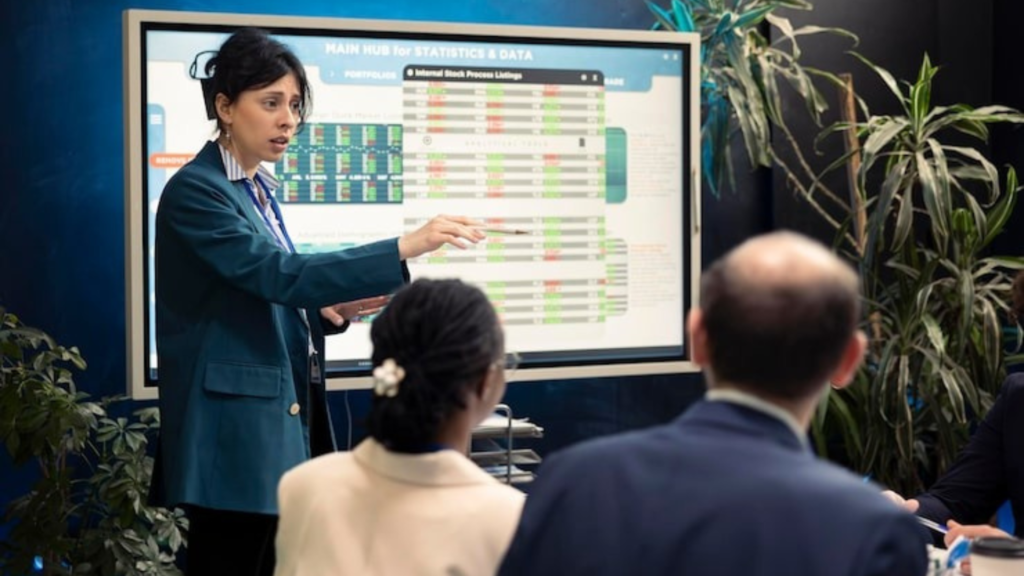
Crunches or economic changes. A community that previously relied on the failure factories could be turned into a hub of renewable energy or advanced manufacturing. Working to Overcome Adversities. In spite of the obvious benefits, these partnerships face significant challenges. One of the most perennial problems is the stigma about the vocational education. Technical training has long been considered as yet another substitute that students unsuccessful in academic programs could assume. A change in this attitude will require showing students and parents.
That such avenues will lead to rewarding jobs that offer good pay and promotional prospects. There exist also practical problems concerning finance and resources. Quality technical training requires modern facilities, small classes and experienced trainers- all which come at high costs. Businesses can help bridge these gaps; however, lasting solutions would require sustained investment by the state and businesses. The biggest problem is to keep pace with rapidly growing technology. The skills needed in the current day manufacturing are quite different than those needed a decade ago.